

What causes pain from neck to shoulder

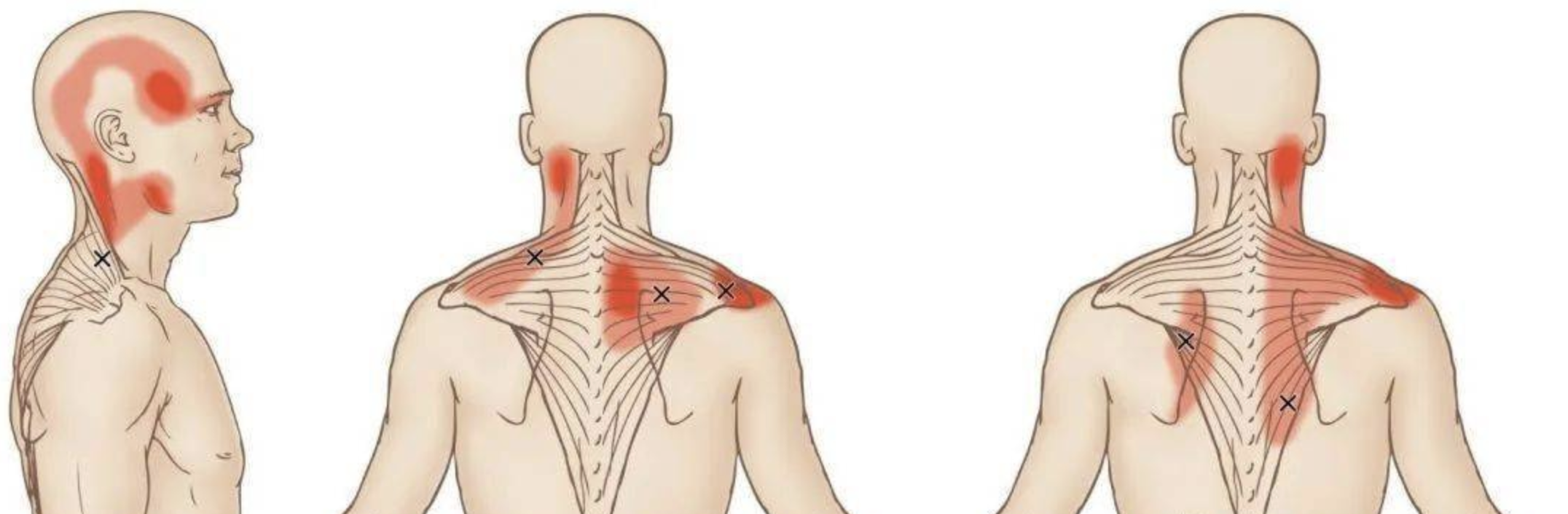
What Causes Pain From Neck to Shoulder?
Pain that starts in the neck and spreads to the shoulder is a very common problem affecting people of all ages. It can interfere with daily activities, work performance, sleep quality, and overall comfort. Some people experience mild discomfort occasionally, while others suffer from severe or chronic pain that affects their quality of life.
Modern lifestyles, especially long hours spent using computers and smartphones, have significantly increased the number of people dealing with neck and shoulder pain. In many cases, the pain is caused by muscle tension or poor posture, but it can also be linked to nerve issues, injuries, or spinal conditions.
In this article, we will explain the most common causes of neck to shoulder pain, symptoms to watch for, treatment options, and ways to prevent the problem.
Understanding Neck to Shoulder Pain
Neck to shoulder pain refers to discomfort that begins in the neck area and radiates into the shoulder, upper back, or arm. The pain may feel sharp, dull, burning, stiff, or throbbing depending on the cause.
Some people only feel pain while moving their neck, while others experience constant discomfort throughout the day. The severity can range from mild muscle tightness to serious nerve pain.
Common Causes of Pain From Neck to Shoulder
1. Muscle Strain and Tension
Muscle strain is one of the most common causes of neck and shoulder pain. It usually happens when muscles become overworked or stressed.
Common reasons include:
- Sitting for long periods
- Poor posture
- Sleeping in an awkward position
- Carrying heavy bags
- Stress and anxiety
- Repetitive movements
Tight muscles in the neck can easily spread pain to the shoulders and upper back.
2. Poor Posture
Poor posture is a major contributor to neck and shoulder pain. Many people spend hours looking down at their phones or leaning forward while working on computers.
This condition is often called “Tech Neck” or “Text Neck.”
When the head leans forward for extended periods, extra pressure is placed on the neck muscles and spine.
Symptoms may include:
- Neck stiffness
- Shoulder tightness
- Headaches
- Upper back pain
- Reduced neck mobility
Improving posture can significantly reduce pain and prevent future problems.
3. Herniated or Bulging Cervical Disc
The cervical spine contains discs between the vertebrae that act as cushions. When a disc becomes damaged or slips out of place, it can press on nearby nerves.
This condition is commonly known as a herniated disc.
Symptoms may include:
- Sharp pain from the neck to the shoulder
- Tingling sensations
- Arm numbness
- Muscle weakness
- Burning pain
A herniated cervical disc may require medical evaluation and treatment if symptoms become severe.
4. Pinched Nerve
A pinched nerve occurs when surrounding tissues place pressure on a nerve. This pressure can come from bones, muscles, tendons, or discs.
When nerves in the neck are compressed, pain may travel down into the shoulder and arm.
Common symptoms include:
- Numbness
- Tingling
- Weakness
- Radiating pain
Ignoring nerve pain can sometimes lead to worsening symptoms over time.
5. Arthritis in the Neck
As people age, the joints in the neck may wear down, leading to cervical osteoarthritis.
This condition can cause:
- Chronic neck pain
- Shoulder discomfort
- Stiffness
- Grinding sensations during movement
Arthritis-related pain often becomes worse with age and may limit mobility.
6. Injuries and Accidents
Car accidents, sports injuries, falls, or sudden impacts can damage muscles, ligaments, and joints in the neck area.
One common injury is whiplash, which occurs when the head suddenly jerks forward and backward.
Symptoms of neck injuries may include:
- Severe pain
- Muscle stiffness
- Headaches
- Limited neck movement
- Shoulder soreness
Medical attention is important after serious injuries.
7. Stress and Anxiety
Emotional stress can physically affect the body. Many people unconsciously tighten their neck and shoulder muscles when stressed.
This muscle tension may lead to:
- Shoulder pain
- Neck stiffness
- Tension headaches
- Muscle fatigue
Stress management techniques can help reduce these symptoms.
8. Sleeping Position Problems
Sleeping in the wrong position or using an unsuitable pillow can strain the neck overnight.
Poor sleeping posture may cause:
- Morning neck pain
- Shoulder stiffness
- Reduced movement
- Muscle soreness
Using a supportive pillow and maintaining proper sleeping alignment can help prevent pain.
Symptoms That May Accompany Neck to Shoulder Pain
Depending on the cause, additional symptoms may appear, including:
- Headaches
- Arm pain
- Numbness
- Tingling sensations
- Muscle weakness
- Limited neck movement
- Shoulder tightness
If symptoms become severe or persistent, professional medical advice is recommended.
When Should You See a Doctor?
While mild pain often improves with rest and self-care, some symptoms require immediate medical attention.
See a doctor if you experience:
- Severe or worsening pain
- Arm weakness
- Loss of sensation
- Difficulty moving the neck
- Pain after an accident
- Fever with neck pain
- Trouble breathing
These symptoms may indicate a serious underlying condition.
How to Relieve Neck and Shoulder Pain
Improve Your Posture
Maintaining good posture is one of the best ways to reduce neck strain.
Tips include:
- Keep your screen at eye level
- Sit upright
- Relax your shoulders
- Avoid looking down at your phone for long periods
Exercise and Stretching
Gentle exercises and stretching can reduce muscle tightness and improve flexibility.
Helpful stretches include:
- Neck rotations
- Shoulder rolls
- Chin tucks
- Shoulder stretches
Regular movement can strengthen muscles and support the spine.
Use Heat or Cold Therapy
Cold packs can reduce inflammation, while heat therapy relaxes tight muscles.
General recommendation:
- First 24 hours: cold compress
- Afterward: warm compress
Always avoid extreme temperatures directly on the skin.
Get Better Sleep Support
A supportive pillow helps maintain proper neck alignment during sleep.
For better sleep posture:
- Avoid overly high pillows
- Sleep on your back or side
- Avoid sleeping on your stomach
Massage Therapy
Massage can improve blood circulation and reduce muscle tension.
However, individuals with serious neck conditions should consult a healthcare professional before receiving deep massage treatment.
Can Neck to Shoulder Pain Go Away on Its Own?
In many cases, mild muscle-related pain improves within days or weeks with proper rest and care.
However, persistent or severe pain should not be ignored. Early treatment can help prevent long-term complications.
How to Prevent Neck and Shoulder Pain
To reduce the risk of future pain:
- Take breaks from screens regularly
- Exercise consistently
- Maintain good posture
- Manage stress
- Use ergonomic chairs
- Stretch frequently
- Avoid carrying heavy bags on one shoulder
Healthy daily habits can greatly improve neck and shoulder health.
Conclusion
Pain from the neck to the shoulder can result from many causes, including muscle strain, poor posture, nerve compression, arthritis, or injuries. Modern technology use and sedentary lifestyles have made this problem increasingly common.
Fortunately, many cases improve through posture correction, exercise, stress reduction, and proper self-care. However, severe or persistent symptoms should always be evaluated by a healthcare professional.
Taking care of your neck and shoulders today can help prevent chronic pain and improve overall well-being in the future.
1. Can stress cause neck and shoulder pain?
Yes, stress can cause muscle tension in the neck and shoulders, leading to pain and stiffness.
2. Is phone use linked to neck pain?
Yes, looking down at a phone for long periods can strain the neck muscles and spine.
3. When should I worry about neck and shoulder pain?
You should seek medical attention if the pain is severe, persistent, or accompanied by numbness, weakness, or difficulty moving.
4. What is the fastest way to relieve neck and shoulder pain?
Rest, gentle stretching, improving posture, and applying heat or cold therapy can help relieve pain quickly.
5. Can a pinched nerve cause shoulder pain?
Yes, a pinched nerve in the neck can cause pain that radiates into the shoulder and arm.