

Which Material Is Best for a Laptop Stand?

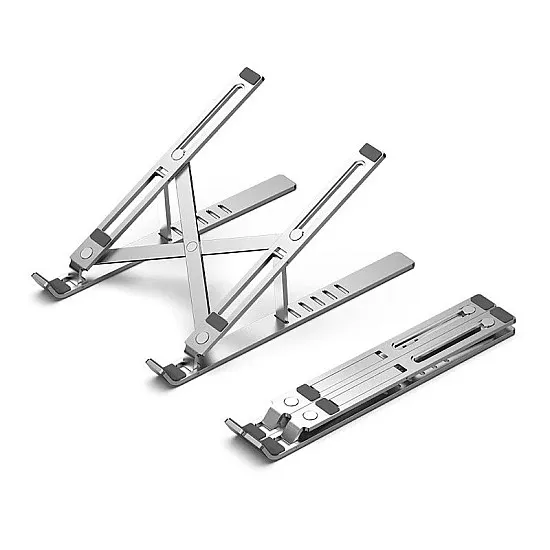
In today’s digital world, laptop stands have become an essential accessory for students, office workers, gamers, and remote professionals. A good laptop stand improves posture, reduces neck strain, enhances airflow, and creates a more comfortable workspace. However, one of the most important factors when choosing a laptop stand is the material it is made from. Different materials offer different levels of durability, portability, cooling performance, aesthetics, and price.
So, which material is best for a laptop stand? The answer depends on your specific needs, budget, and working style. In this article, we will explore the most common laptop stand materials, including aluminum, wood, plastic, steel, and bamboo, and compare their advantages and disadvantages to help you make the right decision.
Why Laptop Stand Material Matters
The material of a laptop stand directly affects its strength, stability, heat management, and overall lifespan. Some materials are lightweight and portable, while others are stronger and more durable. Certain materials also provide better cooling, which is essential for maintaining laptop performance during long working hours.
Choosing the wrong material may lead to poor ergonomics, overheating issues, or even damage to your laptop over time. Therefore, understanding the characteristics of each material is important before making a purchase.
Aluminum Laptop Stands


6
Aluminum is widely considered the best material for laptop stands due to its excellent balance of durability, lightweight design, and heat dissipation.
Advantages of Aluminum Laptop Stands
1. Excellent Heat Dissipation
Aluminum naturally transfers heat away from the laptop, helping prevent overheating. This makes it ideal for gamers, designers, programmers, and professionals who use demanding software.
2. Lightweight Yet Durable
Despite being lightweight, aluminum is extremely strong. It can support heavy laptops without bending or breaking.
3. Modern and Premium Appearance
Aluminum stands often have a sleek and minimalist design that matches modern laptops such as the Apple MacBook Pro or premium Windows ultrabooks.
4. Corrosion Resistant
Aluminum does not rust easily, making it suitable for long-term use.
Disadvantages of Aluminum Laptop Stands
- Usually more expensive than plastic models
- Can feel cold to the touch
- Some cheaper models may scratch easily
Best For
- Office professionals
- Remote workers
- Gamers
- Heavy laptop users
Wooden Laptop Stands


7
Wooden laptop stands are popular because of their natural appearance and eco-friendly appeal.
Advantages of Wooden Laptop Stands
1. Stylish and Elegant
Wooden stands add warmth and beauty to a workspace. They fit perfectly in modern home offices and creative environments.
2. Eco-Friendly
Many wooden stands are made from sustainable materials such as bamboo or recycled wood.
3. Strong and Stable
High-quality wood provides good stability and can support heavy devices.
Disadvantages of Wooden Laptop Stands
- Heavier than aluminum or plastic
- Limited portability
- Poor heat dissipation compared to metal
- Can absorb moisture over time
Best For
- Home offices
- Designers and creatives
- Eco-conscious users
Plastic Laptop Stands


5
Plastic laptop stands are among the most affordable options available on the market.
Advantages of Plastic Laptop Stands
1. Affordable Price
Plastic stands are budget-friendly and ideal for students or casual users.
2. Lightweight and Portable
Most plastic stands are easy to carry and suitable for travel.
3. Variety of Designs
Plastic can be molded into many shapes and colors.
Disadvantages of Plastic Laptop Stands
- Less durable
- May wobble under heavy laptops
- Poor heat resistance
- Cheaper models may crack over time
Best For
- Students
- Casual users
- Travelers on a budget
Steel Laptop Stands


6
Steel stands are known for their exceptional strength and durability.
Advantages of Steel Laptop Stands
1. Extremely Strong
Steel can support large and heavy laptops with ease.
2. Long Lifespan
Steel stands are highly durable and resistant to wear.
3. Stable Structure
Steel provides excellent balance and stability.
Disadvantages of Steel Laptop Stands
- Heavy and less portable
- More expensive
- May rust if poorly coated
Best For
- Permanent desk setups
- Heavy workstation laptops
- Industrial or professional environments
Bamboo Laptop Stands


6
Bamboo has become increasingly popular as an environmentally friendly alternative.
Advantages of Bamboo Laptop Stands
1. Sustainable Material
Bamboo grows quickly and is considered environmentally friendly.
2. Attractive Natural Look
It offers a clean and calming aesthetic.
3. Lightweight Compared to Solid Wood
Bamboo stands are easier to move around.
Disadvantages of Bamboo Laptop Stands
- Limited cooling performance
- May not be as durable as metal
- Some cheaper products use weak joints
Best For
- Eco-friendly buyers
- Minimalist desk setups
- Home office users
Which Material Is the Best Overall?
For most users, aluminum is the best overall material for a laptop stand. It provides the ideal combination of strength, portability, cooling performance, and premium appearance.
However, the best choice still depends on your priorities:
| Material | Best Feature | Main Weakness |
|---|---|---|
| Aluminum | Cooling + durability | Higher price |
| Wood | Elegant design | Poor heat dissipation |
| Plastic | Affordable | Lower durability |
| Steel | Maximum strength | Heavy weight |
| Bamboo | Eco-friendly | Limited cooling |
If you frequently travel, a lightweight aluminum or plastic stand is ideal. If aesthetics matter most, wood or bamboo may be the better choice. For gaming and heavy workloads, aluminum remains the top recommendation because of its superior cooling abilities.
Important Features to Consider Alongside Material
When buying a laptop stand, material is not the only factor. You should also consider:
Adjustability
An adjustable stand allows you to customize height and angle for better ergonomics.
Ventilation
Open designs improve airflow and reduce laptop temperatures.
Weight Capacity
Ensure the stand can support your laptop size and weight.
Portability
Foldable stands are ideal for people who travel often.
Build Quality
Always choose trusted brands with good customer reviews.
Final Thoughts
Choosing the best material for a laptop stand depends on your personal needs and work environment. Aluminum stands are generally the best option for most users because they combine durability, lightweight portability, modern aesthetics, and excellent heat management.
Wood and bamboo stands are ideal for stylish and eco-friendly setups, while plastic stands work well for budget-conscious buyers. Steel stands are perfect for heavy-duty use where maximum strength is required.
Before purchasing a laptop stand, think carefully about how you use your laptop, whether you travel often, and how important cooling and ergonomics are for your daily work routine.
A high-quality laptop stand can significantly improve comfort, productivity, and laptop lifespan, making it a smart investment for anyone who spends long hours working on a computer.
1. What is the best material for a laptop stand?
Aluminum is considered the best material for a laptop stand because it offers excellent durability, lightweight portability, and superior heat dissipation compared to other materials.
2. Are wooden laptop stands good for laptops?
Yes, wooden laptop stands are stylish and sturdy, making them great for home offices and minimalist desk setups. However, they may not provide as much cooling performance as aluminum stands.
3. Is a plastic laptop stand durable?
Plastic laptop stands are lightweight and affordable, but they are generally less durable than aluminum or steel models. High-quality plastic stands can still work well for everyday use.
4. Which laptop stand material is best for cooling?
Aluminum is the best laptop stand material for cooling because metal helps transfer heat away from the laptop and improves airflow during heavy usage.