

What Is the Best Cleaner to Use on Your Car?

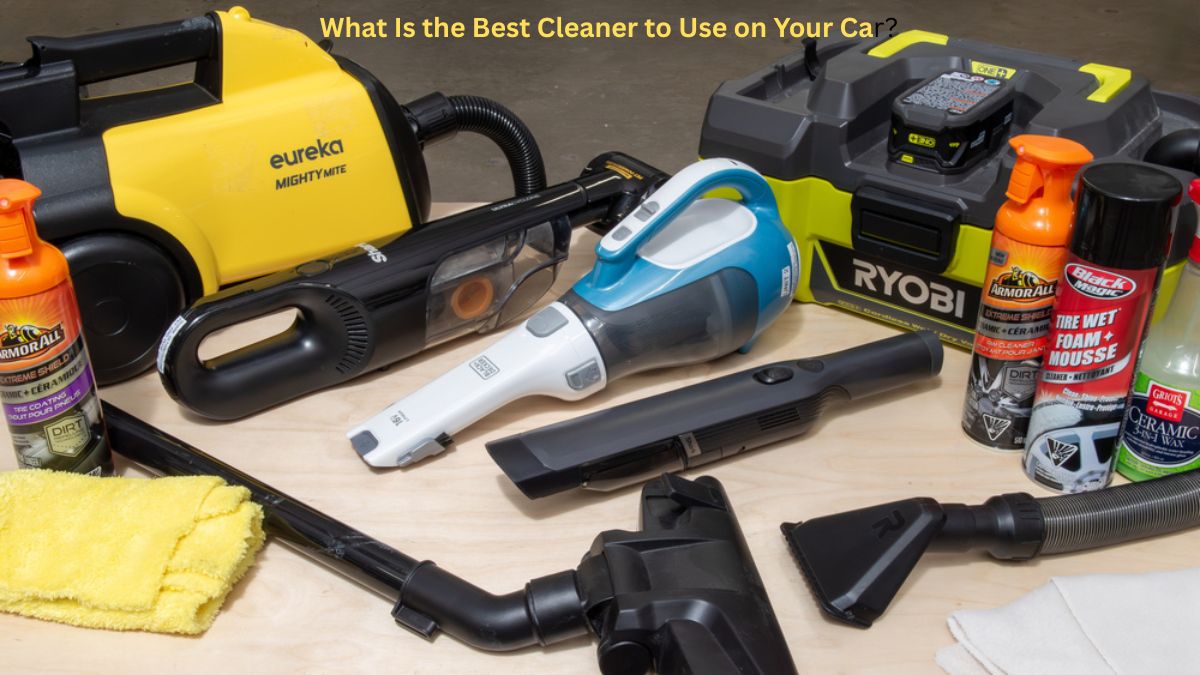
A Complete Guide for Safe and Effective Car Cleaning
Keeping your car clean is not only about appearance — it also helps protect your vehicle’s paint, interior materials, and overall value. Many car owners make the mistake of using household cleaners that can damage surfaces over time. Choosing the best cleaner for your car depends on what part of the vehicle you want to clean and how safely you want to maintain it.
In this complete guide, we will explain the best types of cleaners to use on your car, what products to avoid, and professional tips to achieve a spotless finish without causing damage.
Why Using the Right Car Cleaner Matters
Your car is made from different materials including painted metal, plastic, rubber, glass, leather, and fabric. Each surface reacts differently to chemicals. Using the wrong cleaner can lead to problems such as:
- Paint fading or scratches
- Wax protection removal
- Interior cracking or discoloration
- Damage to rubber seals
- Streaky windows and poor visibility
A proper car cleaner is specially designed with balanced pH levels and gentle ingredients that clean effectively without harming surfaces.
Best Cleaner for Car Exterior
1. pH-Neutral Car Shampoo (Best Overall Choice)
The best cleaner for washing your car’s exterior is a pH-neutral car shampoo. These shampoos remove dirt, dust, road grime, and contaminants while protecting the wax or ceramic coating already on your vehicle.
Benefits include:
- Safe for all paint types
- Prevents scratches when used with microfiber wash mitts
- Maintains shine and protective coatings
- Easy rinsing without residue
Avoid dish soap or laundry detergent because they strip protective wax and dry out the paint surface.
2. Waterless Car Wash (Best for Quick Cleaning)
If you don’t have access to water, a waterless car wash spray is an excellent alternative. These cleaners lift dirt safely while adding light protection and shine.
They are ideal for:
- Light dust removal
- Apartment parking cleaning
- Quick detailing before driving
However, they should not be used on extremely muddy vehicles because rubbing heavy dirt can cause scratches.
Best Cleaner for Car Interior
1. Interior Multi-Surface Cleaner
A dedicated interior cleaner works best for dashboards, plastic panels, center consoles, and door trims. These products remove fingerprints, oils, and dust without leaving a greasy finish.
Look for cleaners that are:
- Non-glossy (anti-shine)
- UV protective
- Safe for electronics and screens
Harsh chemical sprays or alcohol-based cleaners can dry plastics and cause fading over time.
2. Upholstery and Fabric Cleaner
For cloth seats and carpets, use a foam or spray upholstery cleaner designed for automotive fabrics. These cleaners break down stains such as:
- Coffee spills
- Food stains
- Mud and dirt
- Pet hair odors
Always test a small hidden area first before applying to the entire surface.
3. Leather Cleaner and Conditioner
If your car has leather seats, use a dedicated leather cleaner followed by a conditioner. Leather requires moisture balance to prevent cracking.
A good leather cleaner will:
- Remove dirt gently
- Restore natural softness
- Prevent drying and aging
Never use household soap or strong detergents on leather surfaces.
Best Cleaner for Car Windows
Automotive glass cleaner is the safest option for windows and mirrors. Unlike household glass cleaners, car-specific formulas usually do not contain ammonia, which can damage window tint.
For best results:
- Use a microfiber glass towel
- Clean in circular motions
- Finish with vertical wipes to avoid streaks
Clean windows improve both appearance and driving safety.
Cleaners You Should Never Use on Your Car
Many common household products can seriously damage your vehicle. Avoid using:
- Dishwashing liquid
- Bleach or strong disinfectants
- Kitchen degreasers
- Rough scrubbing powders
- Bathroom cleaners
These chemicals are too aggressive for automotive materials.
Professional Tips for Safe Car Cleaning
To achieve the best results, follow these expert tips:
- Wash your car in the shade to prevent water spots.
- Always rinse dirt before touching the paint.
- Use separate towels for paint, wheels, and interior.
- Dry the car with microfiber towels instead of air drying.
- Clean from top to bottom to avoid spreading dirt.
Regular cleaning every one to two weeks helps maintain your car’s finish and prevents long-term damage.
Conclusion
So, what is the best cleaner to use on your car? The answer is not a single product but a combination of specialized cleaners designed for each part of the vehicle. A pH-neutral car shampoo is the best overall choice for exterior washing, while dedicated interior, glass, and leather cleaners ensure safe maintenance inside the car.
Using the correct cleaning products protects your vehicle’s appearance, extends material lifespan, and keeps your car looking like new for years. Investing in proper car cleaners today can save you costly repairs and repainting in the future.
By following the recommendations in this guide, you can clean your car safely, efficiently, and professionally — even at home.
Can I use dish soap to wash my car?
No, dish soap is not recommended for washing cars. It is designed to remove grease and can strip away protective wax layers from your car’s paint, leaving the surface dull and unprotected over time. A pH-neutral car shampoo is a much safer choice.
How often should I clean my car?
Ideally, you should wash your car every one to two weeks depending on weather conditions and driving habits. Regular cleaning prevents dirt buildup, protects the paint, and helps maintain the vehicle’s overall appearance.
What is the safest cleaner for car interiors?
A dedicated automotive interior cleaner is the safest option. These cleaners are specially formulated to clean plastic, vinyl, and dashboard surfaces without causing fading, cracking, or greasy residue.
Is a waterless car wash safe for my vehicle?
Yes, a waterless car wash is safe when used correctly on lightly dusty vehicles. However, it should not be used on heavily dirty or muddy cars because rubbing large particles can cause scratches on the paint.
What should I use to clean car windows without streaks?
Use an ammonia-free automotive glass cleaner along with a microfiber cloth. This combination helps remove fingerprints and dirt while preventing streaks and protecting tinted windows.