

Wireless Audio Devices for Gaming

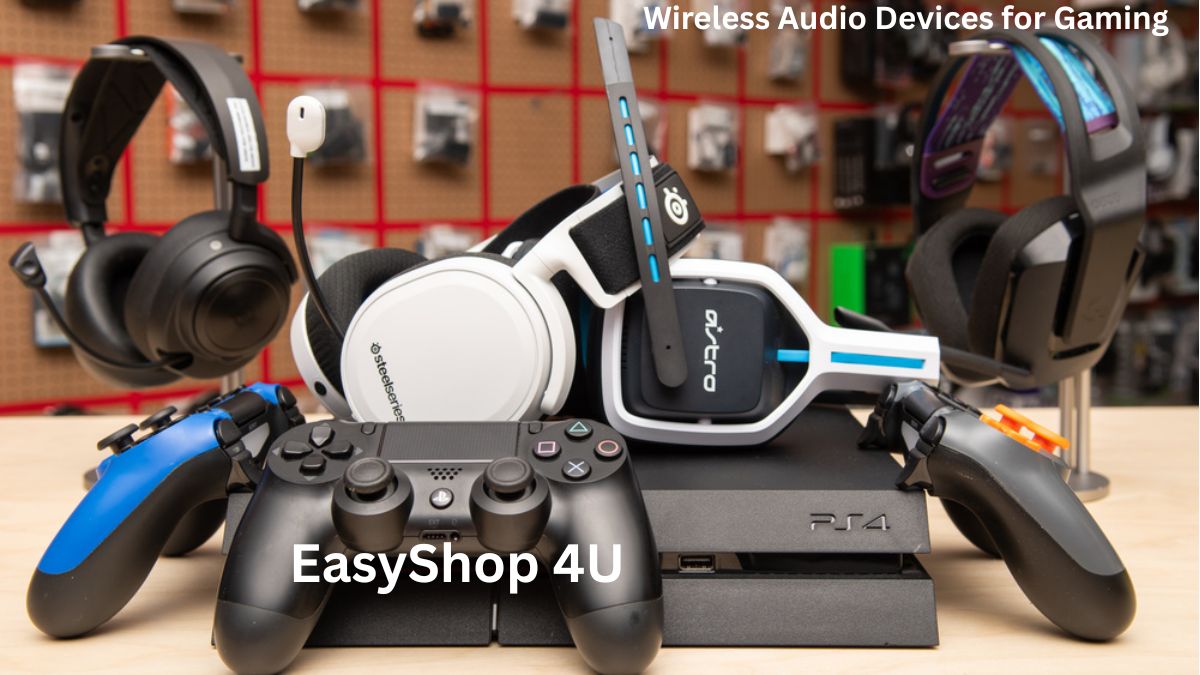
The shift toward wireless audio devices for gaming has moved from a luxury trend to an industry standard. In the early days of cordless peripherals, enthusiasts often dismissed them due to high latency, poor battery reliability, and interference issues. However, the modern gaming landscape in 2026 presents a different reality. High-performance wireless technology now rivals traditional wired connections, offering gamers the mobility they crave without sacrificing the competitive edge needed for fast-paced shooters or immersive open-world adventures. From advanced proprietary 2.4GHz protocols to the latest Bluetooth 6.0 standards, the current market for gaming audio is more diverse and capable than ever before.
The Evolution of Low-Latency Wireless Technology
One of the primary concerns for any gamer when considering wireless audio devices for gaming is latency. In a competitive environment, even a few milliseconds of delay between a visual cue and its corresponding sound can mean the difference between a victory and a loss. To combat this, leading manufacturers have moved away from standard Bluetooth for primary gaming use, instead favoring dedicated 2.4GHz wireless USB dongles. These devices use specialized codecs designed to transmit high-fidelity audio with near-zero lag, often achieving speeds under 20ms, which is virtually indistinguishable from a wired setup.
Furthermore, we are seeing the emergence of “LC3” and “Auracast” technologies, which are part of the Bluetooth LE Audio suite. These innovations allow for high-quality audio streaming at lower bitrates, preserving battery life while significantly reducing the transmission delay common in older Bluetooth versions. For gamers who play across multiple platforms, such as switching between a PC and a mobile device, these advancements ensure that the audio remains synchronized with the action on screen, regardless of the connection type. This technological leap has effectively removed the “latency tax” that once plagued wireless users.
Superior Sound Quality and Planar Magnetic Drivers
While connectivity is vital, sound quality remains the soul of any audio peripheral. The newest generation of wireless audio devices for gaming has integrated high-end driver technology previously reserved for audiophile-grade studio headphones. A prominent example is the rise of planar magnetic drivers in gaming headsets. Unlike traditional dynamic drivers that use a cone and coil, planar magnetic drivers utilize a thin, flat diaphragm draped in a magnetic field. This results in incredibly fast transient response and minimal distortion, allowing gamers to hear the subtle textures of a soundtrack or the precise directional footsteps of an approaching opponent.
Beyond hardware, digital signal processing (DSP) has become a cornerstone of the wireless experience. Modern headsets often come with sophisticated software suites that allow for granular EQ customization and spatial audio virtualization. Technologies like THX Spatial Audio, Dolby Atmos, and DTS Headphone:X 2.0 create a 360-degree soundstage, providing a sense of verticality and depth that standard stereo cannot match. This immersion is not just about cinematic flair; it provides a functional advantage by allowing players to pinpoint sound sources with extreme accuracy in three-dimensional space.
Battery Life and Power Management Innovations
The fear of a headset dying mid-match is a significant deterrent for many, but battery technology in 2026 has reached a point where “range anxiety” is becoming a thing of the past. It is now common to find wireless audio devices for gaming that offer 50 to 80 hours of continuous playtime on a single charge. Some flagship models have even pushed past the 100-hour mark, meaning a casual gamer might only need to plug in their device once a month. This longevity is achieved through more efficient chipsets and higher-density lithium-ion cells that don’t add excessive weight to the headset.
For those who engage in marathon sessions, hot-swappable battery systems have become a game-changer. Some premium wireless units include a base station that charges a secondary battery while you play with the first. When the power runs low, you can simply swap the batteries in seconds, ensuring that you never have to be tethered to a charging cable. Additionally, fast-charging capabilities via USB-C have become standard, with many devices providing several hours of gameplay after just a 15-minute charge, ensuring that even a forgotten charge doesn’t sideline you for long.
Noise Cancellation and Communication Clarity
In a cluttered or noisy environment, the ability to focus on the game is paramount. Active Noise Cancellation (ANC) has successfully migrated from travel headphones to wireless audio devices for gaming. By using external microphones to monitor ambient noise and generating “anti-noise” waves, these devices can effectively silence the hum of a PC fan, a nearby air conditioner, or background chatter. This creates a “black background” for the game audio, making every subtle detail pop with more clarity and reducing the cognitive load on the player during intense sessions.
Communication is equally important, and microphone technology has seen a parallel evolution. The latest wireless headsets utilize AI-powered noise reduction for the microphone itself, which filters out keyboard clicks and background noise to ensure your voice remains crisp for your teammates. Some devices have even adopted “beamforming” arrays that eliminate the need for a physical boom arm entirely, using internal sensors to pick up the user’s voice while ignoring everything else. This trend toward sleeker designs makes many gaming headsets versatile enough to be used as lifestyle headphones for commuting or office work.
Ergonomics and Long-Term Comfort
The best technology in the world is useless if the device is uncomfortable to wear for more than an hour. Manufacturers are now utilizing lightweight materials like carbon fiber and aerospace-grade aluminum to keep the overall mass of wireless audio devices for gaming as low as possible. Memory foam earpads wrapped in breathable “cooling gel” fabrics help dissipate heat, preventing the “hot ear” syndrome that often occurs with closed-back leatherette designs. This focus on thermal management is crucial for maintaining focus during long competitive grinds.
Moreover, the adjustability of modern headsets has improved to accommodate a wider variety of head shapes and sizes. Features like suspension headbands, which distribute weight evenly across the top of the head, and swiveling earcups that adapt to the angle of the jaw, ensure a personalized fit. Many brands have also started offering “ecosystem” compatibility, allowing users to swap out earpads or headbands for different materials or aesthetic styles. This level of customization ensures that the physical experience of the device matches its high-tech internal specifications.
Choosing the Right Device for Your Platform
When selecting wireless audio devices for gaming, platform compatibility is a critical factor. While PC users enjoy the most flexibility, console players must be more selective. Due to the proprietary wireless protocols used by companies like Microsoft and Sony, many headsets are sold in platform-specific versions (e.g., an “X” version for Xbox and a “P” version for PlayStation). However, a new wave of “universal” wireless dongles is hitting the market, featuring physical toggle switches that allow a single headset to work seamlessly across all consoles, PCs, and handhelds like the Steam Deck or Nintendo Switch.
Gaming earbuds have also emerged as a powerful alternative to traditional over-ear headsets. For players who find large headbands restrictive or who play primarily on mobile or handheld devices, low-latency wireless earbuds offer a discreet and portable solution. These “gaming buds” often come with their own dedicated 2.4GHz USB-C dongles to bypass the limitations of standard Bluetooth, providing a true gaming-grade experience in a pocket-sized form factor. Whether you prefer the cinematic isolation of a headset or the lightweight freedom of earbuds, the options available today cater to every possible playstyle.
Investing in high-quality wireless audio is no longer a compromise in the modern era. The convergence of ultra-low latency, audiophile-grade drivers, and massive battery life has created an environment where wireless audio devices for gaming are the preferred choice for professionals and enthusiasts alike. By eliminating the physical tether of a cable, gamers gain a level of freedom that enhances both their comfort and their immersion in virtual worlds. As technology continues to refine these tools, the gap between wired reliability and wireless convenience has finally closed, cementing the cord-free experience as the ultimate way to play.
Do wireless gaming headsets have noticeable lag compared to wired ones?
Modern 2.4GHz wireless headsets provide near-zero latency that is virtually indistinguishable from a wired connection for most players.
Can I use the same wireless headset for both my PC and console?
Most high-end wireless models now include multi-platform USB dongles or Bluetooth to switch seamlessly between PC, PlayStation, and Xbox.
How long does the battery typically last on a wireless gaming headset?
You can expect between 20 to 40 hours of playtime on a single charge, though premium models now offer swappable batteries for infinite power.
Are wireless earbuds actually good enough for competitive gaming?
Dedicated gaming earbuds using low-latency dongles offer excellent spatial awareness and comfort, making them a solid alternative to bulky over-ear headsets.
Will other devices in my house interfere with my wireless gaming audio?
While 2.4GHz connections are stable, keeping your USB receiver away from Wi-Fi routers and large metal objects helps prevent occasional audio cutouts.