

Showing all 9 results
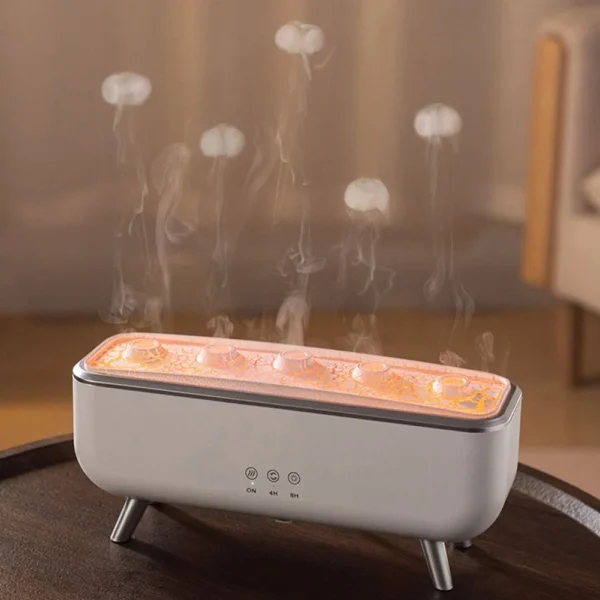
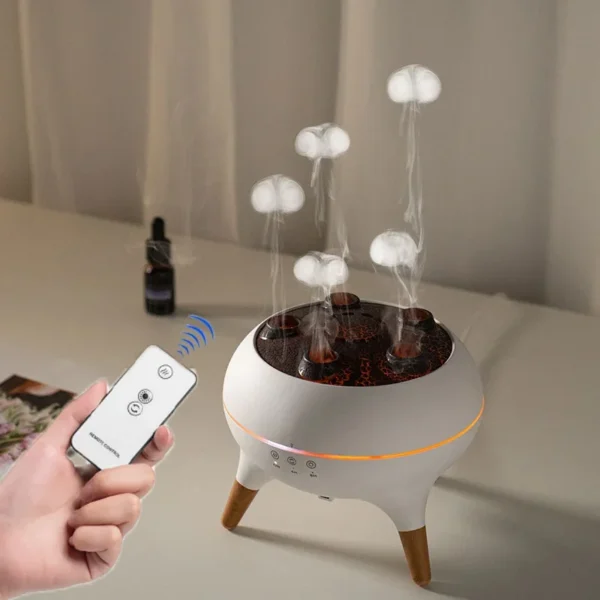
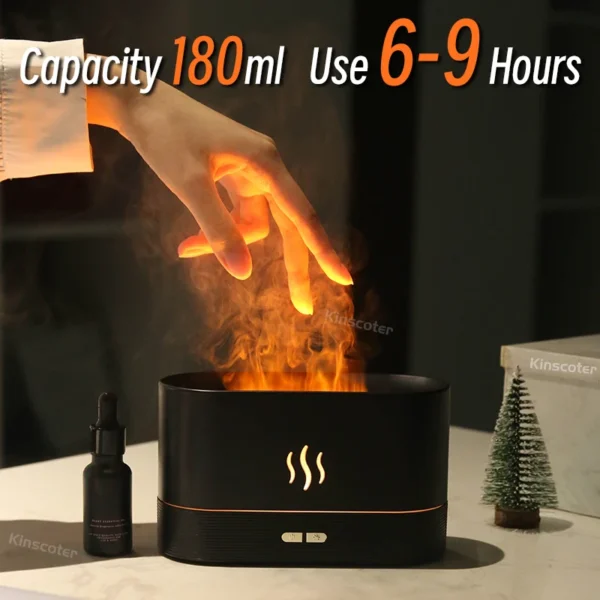
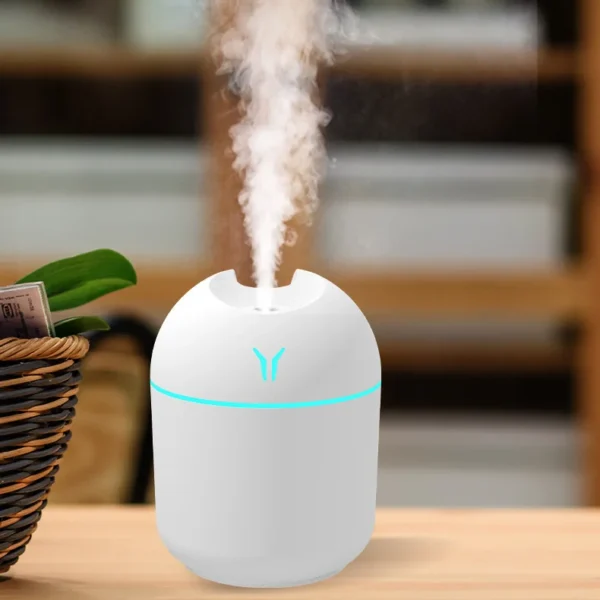
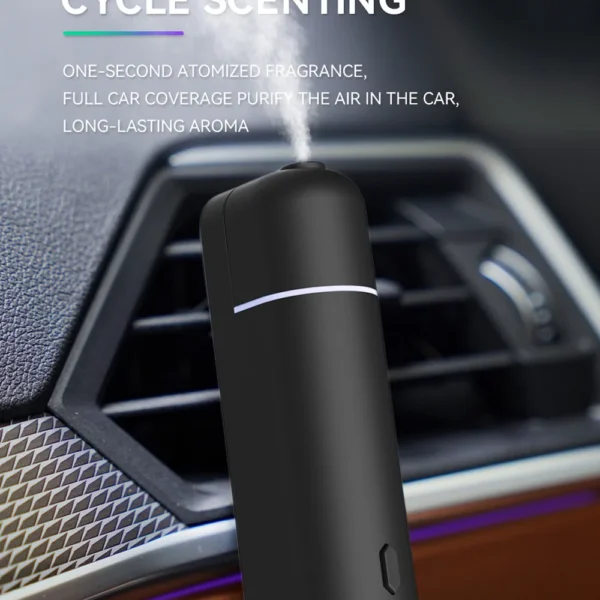
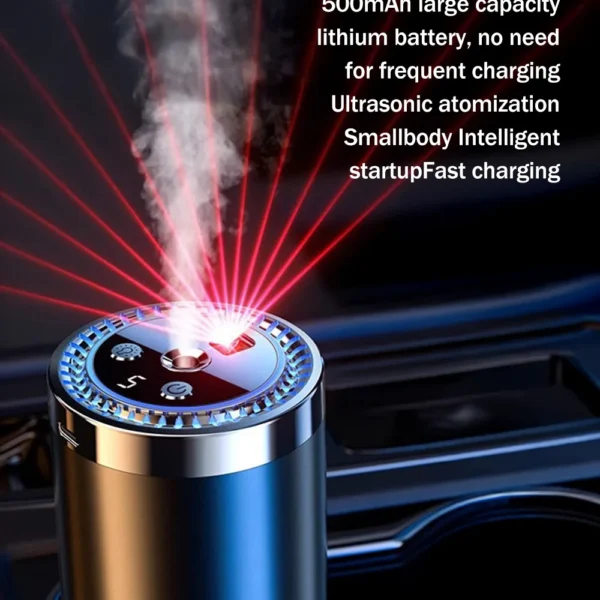
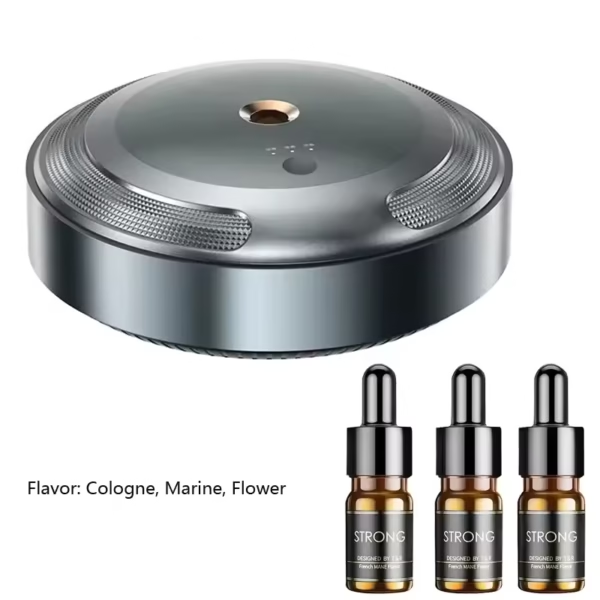
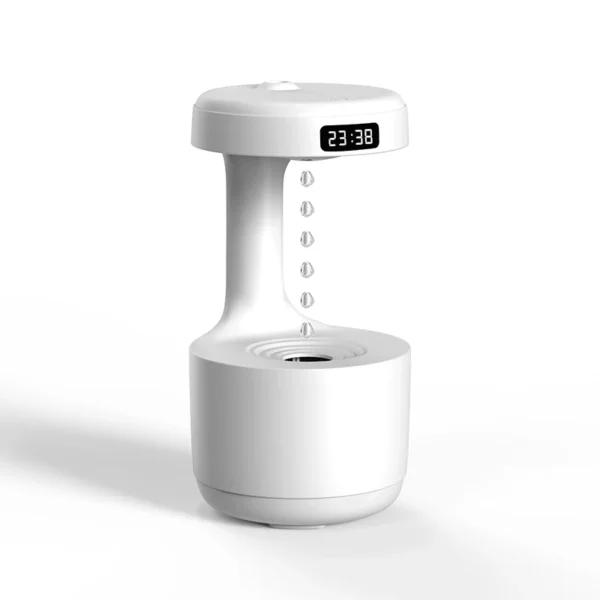
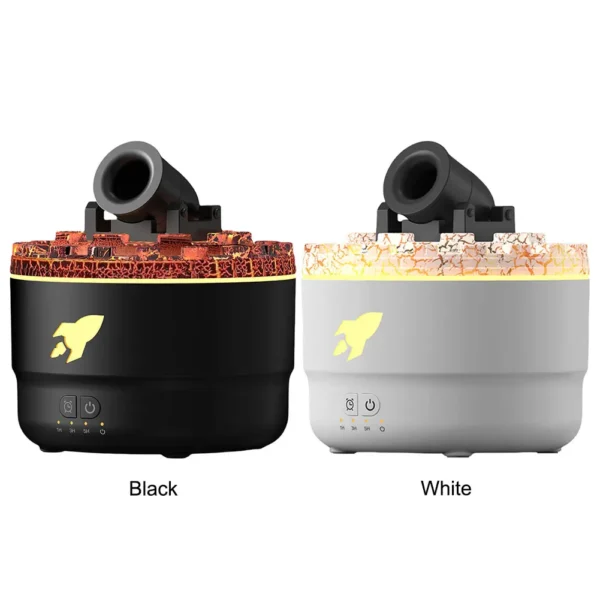
Humidifiers and purifiers represent a specialized intersection of indoor air quality technology designed to address both the moisture content and the purity of breathable air. While purifiers focus on the mechanical and chemical extraction of contaminants such as fine particulate matter, smoke, allergens, and airborne pathogens through multi-stage HEPA and carbon filtration, humidifiers are engineered to introduce controlled water vapor into environments plagued by low humidity. These systems differ fundamentally from standard fans or air conditioners as they actively alter the biological and physical safety of the air rather than just moving it or changing its temperature. Integrating these devices into a living or working space ensures that the atmosphere remains neither stagnant nor saturated with invisible irritants.
Practical application of these units is vital for maintaining physiological health and preserving interior assets during seasonal transitions. In winter months, humidifiers alleviate the side effects of forced-air heating, such as dry sinuses, irritated vocal cords, and cracked wooden furniture, by maintaining an optimal moisture equilibrium. Simultaneously, air purifiers serve as a continuous defense mechanism for individuals with respiratory sensitivities or pet owners, capturing dander and microscopic pollutants that settle on surfaces. By deploying these technologies, users create a stabilized microclimate that facilitates restorative sleep, reduces the transmission of airborne viruses, and protects sensitive electronics from the static discharge commonly found in arid indoor conditions.