

Massager Buying Guide

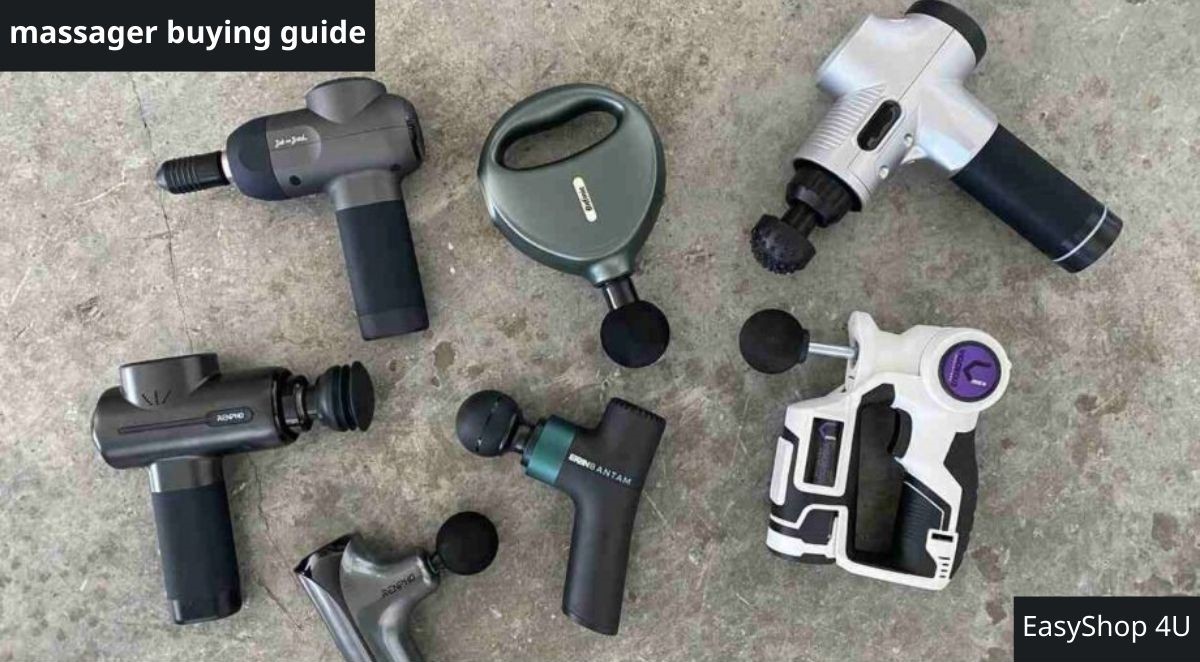
Massage buying guide is essential if you want to confidently choose the right massager for your needs, whether it’s for everyday relaxation, muscle recovery after workouts, or relief from chronic tension and pain. With so many options on the market — from deep-tissue percussion guns and ergonomic handheld devices to soothing heat-enabled shiatsu massagers — understanding what each type does and how it aligns with your lifestyle and physical goals can save you time, money, and frustration. This guide helps break down key features, therapeutic benefits, and practical tips to make your purchase decision easier and more effective. Choosing the right massager is no longer just a luxury reserved for spa days; it has become a vital component of modern wellness and recovery routines. With the rise of sedentary office work and high-intensity fitness trends, more people are seeking effective ways to manage muscle tension and chronic pain from the comfort of home. However, the market is currently saturated with a dizzying array of devices, ranging from high-velocity percussion guns to gentle infrared heat pads. Finding the perfect match requires an understanding of your specific physical needs, the different technologies available, and the ergonomic features that ensure a device is both safe and effective for long-term use.
Identifying Your Primary Therapeutic Goals
Before diving into technical specifications, it is essential to define what you expect a massager to achieve. For some, the goal is purely relaxation and stress reduction after a long day. In these cases, devices that mimic the long, flowing strokes of a Swedish massage are often the best choice. These tools focus on the superficial layers of muscle and skin to promote circulation and trigger the body’s parasympathetic nervous system. If your primary concern is “tech neck” or general stiffness, a surface-level massager with integrated heat can provide immediate relief without the intensity of more aggressive professional tools.
Athletes and fitness enthusiasts generally require a different approach focused on myofascial release and deep tissue recovery. When muscles are knotted or “tight” due to repetitive strain or heavy lifting, a standard vibrating massager may not reach the underlying tissue effectively. This is where high-amplitude percussion therapy becomes necessary. By targeting deeper muscle groups, these devices help break up adhesions and improve range of motion. Understanding whether you need systemic relaxation or localized recovery will narrow your search significantly and prevent you from investing in a tool that is either too weak or uncomfortably powerful.
Chronic pain management represents a third category of use that requires careful consideration. Those dealing with conditions like fibromyalgia, sciatica, or chronic lower back pain need devices that offer high levels of adjustability. A massager that is too intense can actually trigger a pain flare-up rather than soothing it.Individuals with chronic conditions are advised to consult medical guidance before using massage devices, as recommended by Healthline.
In these scenarios, look for devices that prioritize variable speed settings and specialized attachments designed for bony areas or sensitive nerves. By aligning the device’s capabilities with your specific health objectives, you ensure that the massager becomes a functional part of your health toolkit rather than a discarded gadget.
Understanding Deep Tissue vs. Surface Vibration
It is a common misconception that all handheld massagers work the same way. In reality, there is a significant mechanical difference between vibration and percussion. Vibration massagers typically use a rapid oscillating motion that stays on the surface of the skin. They are excellent for improving blood flow and “waking up” muscles, but they rarely penetrate deep enough to dismantle stubborn knots. They are generally quieter and more affordable, making them a solid entry point for general wellness.
Percussion massagers, often referred to as massage guns, utilize a forceful “punching” motion that reaches several millimeters into the muscle tissue. This depth is measured as amplitude. A device with a higher amplitude (usually 12mm to 16mm) will feel much more intense and “thumpy” compared to a vibrating tool. While highly effective for recovery, they require more control and can be jarring if used incorrectly on joints or bone. Choosing between these two depends entirely on your tolerance for pressure and the depth of the muscle tension you are trying to address.
The Role of Heat Therapy in Muscle Recovery
Heat is one of the most effective additives to a mechanical massage. When heat is applied to a sore muscle, it causes vasodilation, which is the widening of blood vessels.This physiological process has been widely explained by Mayo Clinic, which highlights how heat therapy improves blood flow and supports muscle recovery.
This process increases the flow of oxygen and nutrients to the affected area, accelerating the repair of damaged tissue. Many modern massagers, particularly shiatsu-style neck and back units, include infrared heat functions. This is particularly beneficial for those with chronic stiffness, as the warmth helps “pre-soften” the muscle fibers, making the mechanical massage more effective and less painful.
Evaluating Key Features and Specifications
Once you have identified the type of massage you need, the next step is to look at the technical build of the device. One of the most overlooked aspects is the motor quality and stall force. Stall force refers to the amount of pressure you can apply to the device before the motor stops running. Cheaper models often have low stall force, meaning as soon as you press the device into a deep knot, it quits. For those who prefer heavy pressure, a motor with at least 30 to 40 pounds of stall force is necessary to ensure a consistent therapeutic experience.
Battery life and portability are equally important, especially if you plan to use the massager at the gym or while traveling. Lithium-ion batteries have become the standard, offering several hours of use on a single charge. However, you should also check the charging method; USB-C charging is increasingly popular for its convenience, while some high-end professional models still use proprietary charging bricks or swappable battery packs. If you are buying a corded model, ensure the power cable is long enough (at least 6 to 9 feet) to allow you to reach difficult areas like the lower back without feeling tethered to the wall.
Weight and Ergonomic Design
The weight of a massager is a double-edged sword. A heavier device can be beneficial because its own weight provides the necessary pressure, meaning you don’t have to push as hard. However, if the device is poorly balanced, it can cause wrist and arm fatigue, particularly when trying to reach your own shoulder blades or mid-back. Ergonomic handles, such as the triangular grips found on some premium brands, allow for multiple hand positions to reduce strain. Always consider how the device feels in your hand, as a massager that is difficult to hold will likely go unused.
Noise Levels and Decibel Ratings
While it might seem like a secondary concern, the noise level of a massager can greatly impact its usability. High-powered percussion tools can be quite loud, sometimes reaching decibel levels comparable to a power drill. If you intend to use your massager while watching television or in a shared office space, look for models equipped with brushless motors and noise-reduction technology. Most “quiet” models operate in the 35 to 55-decibel range, which is roughly equivalent to a quiet conversation or a refrigerator hum, ensuring your relaxation session doesn’t become a nuisance to others.
Specialized Massagers for Specific Body Parts
While multi-purpose massage guns are popular, specialized massagers often provide better results for specific anatomical regions. For example, foot massagers are designed with complex rollers and air compression bags that target the arches and heels in ways a handheld device cannot. These are particularly valuable for individuals who spend long hours standing or those suffering from plantar fasciitis. These units often incorporate “shiatsu” nodes that rotate in a kneading motion, providing a more rhythmic and relaxing experience than the rapid tapping of a percussion gun.
Neck and shoulder massagers usually come in a “wrap-around” or “u-shape” design. These allow you to hook your arms through loops to pull the device tighter against your traps, giving you manual control over the intensity. Because the neck is a sensitive area containing vital nerves and arteries, these specialized tools are often designed with softer nodes and limited speed ranges to prevent injury. If your tension is localized strictly to the upper body, a dedicated neck wrap might be more effective and easier to operate than a heavy handheld tool.
Choosing Attachments for Different Muscle Groups
Most quality massagers come with a variety of interchangeable heads, and knowing how to use them is key to a safe experience. The “Ball” head is generally the most versatile, made of medium-density foam or silicone for use on large muscle groups like the quads or glutes. The “Bullet” or “Point” head is designed for trigger point therapy, allowing you to pinpoint a specific knot with high intensity. Conversely, the “Flat” head is best for dense muscles where you want to cover more surface area without the pinpoint sharpness of other attachments.
The Benefits of Air Compression Technology
Air compression massagers, often found in leg sleeves or high-end foot massagers, work differently than percussive tools. They use “peristaltic” compression, which involves inflating and deflating air chambers in a specific sequence. This mimics the natural movement of the lymphatic system and is incredibly effective for reducing swelling (edema) and improving circulation. This technology is a favorite among marathon runners and those with circulatory issues, as it helps flush metabolic waste from the limbs without the aggressive impact of a massage gun.
Durability and Long-Term Value
Investing in a massager is an investment in your physical health, so it pays to look at the build quality and warranty. While budget-friendly models are tempting, they often use brushed motors that wear out quickly or plastic gears that can strip under pressure. A professional-grade massager should feel solid, with no rattling parts when in use. Checking for a manufacturer’s warranty of at least one year provides peace of mind that the company stands behind its internal components. Additionally, consider the availability of replacement parts; being able to buy new attachment heads or batteries can significantly extend the lifespan of your device.
Furthermore, look for reputable brands that provide clear safety guidelines and instructional content. A massager is a powerful tool, and using it incorrectly—such as applying high pressure to the front of the neck or directly over the spine—can lead to bruising or injury. Brands that offer app integration or detailed manuals help you get the most out of your purchase by guiding you through specific routines for different ailments. This educational component adds significant value, turning a simple gadget into a comprehensive recovery system.
The most effective massager is the one that fits seamlessly into your lifestyle while addressing your unique physical requirements. By prioritizing motor strength, ergonomic comfort, and the specific type of therapy your body craves, you can move beyond the marketing hype and choose a tool that provides genuine relief. Whether you are looking to shave seconds off your sprint time, manage a chronic condition, or simply unwind after a stressful week, the right massager acts as a reliable partner in maintaining your physical well-being and enhancing your overall quality of life.
Is a massage gun better than a traditional vibrating massager?
Massage guns offer deeper percussive therapy for intense muscle recovery, while vibrating massagers are gentler and better suited for general relaxation or sensitive areas.
How do I choose the right massage head for different muscle groups?
Use large round foam heads for big muscles like quads, flat heads for general full-body use, and bullet attachments to target specific painful knots or trigger points.
What is the minimum stall force I should look for in a deep tissue massager?
Look for a stall force of at least 30 to 40 pounds if you want a true deep tissue experience that won’t stop running when you apply firm pressure to your muscles.
Are cordless massagers powerful enough or should I buy a corded model?
Modern high-end cordless massagers offer comparable power to corded versions and provide much better maneuverability for reaching difficult spots like your mid-back.
How much should I realistically spend to get a high-quality, durable massager?
Expect to spend between $100 and $250 for a reliable device with a long-lasting brushless motor, as cheaper models often lack power and tend to break within a year.