

Best Lighting for Living Room

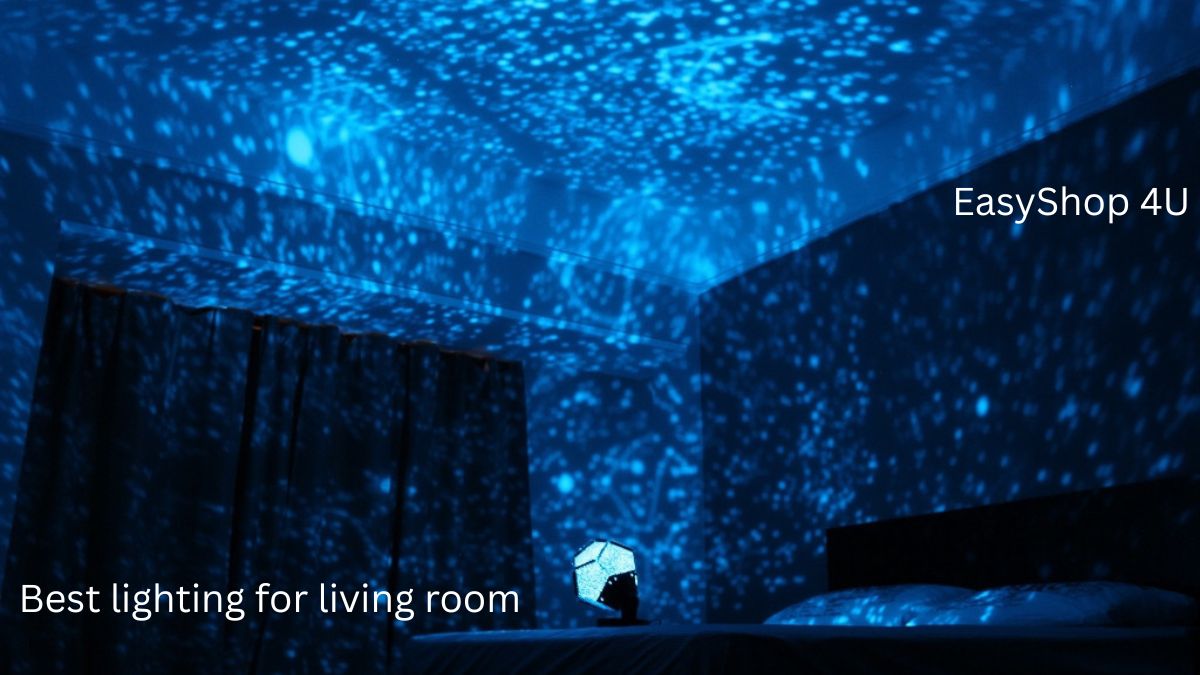
Creating a comfortable and inviting living room begins with understanding that lighting is more than just a functional necessity; it is a fundamental element of interior design that shapes how we experience a space. The living room serves as a multipurpose hub for relaxation, socializing, entertainment, and sometimes even work. Because of this versatility, a single overhead light is rarely sufficient to meet the diverse needs of the inhabitants. Instead, the most effective lighting strategies rely on a layered approach that balances aesthetic appeal with practical utility. By thoughtfully selecting and positioning different light sources, you can transform a dim or sterile room into a warm, dynamic environment that adapts to your lifestyle throughout the day and night.
Understanding the Principles of Layered Lighting
To achieve the best lighting for a living room, you must first master the concept of layering. Interior design professionals often emphasize that combining ambient, task, and accent lighting creates depth, visual balance, and a more inviting living space, as explained by experts at Houzz.
This professional design technique involves combining three distinct types of illumination: ambient, task, and accent lighting. Ambient lighting provides the general foundation, ensuring the room is safely lit and navigable. Task lighting focuses on specific areas where activities like reading, sewing, or gaming take place, preventing eye strain. Finally, accent lighting adds drama and depth by highlighting architectural features, artwork, or textures. When these three layers work in harmony, they eliminate harsh shadows and create a sense of visual balance that makes the room feel complete.
The interplay between these layers allows for greater control over the room’s atmosphere. For instance, during a lively gathering, you might keep all layers active to ensure a bright and energetic environment. Conversely, for a movie night, you might dim the ambient lights and rely solely on soft accent lighting to create a cozy, theater-like feel. This flexibility is what separates a well-designed lighting scheme from a basic one. Understanding how light bounces off walls and interacts with your furniture layout is the first step toward choosing the right fixtures for your specific floor plan.
Ambient Lighting as the Foundation
Ambient lighting is often referred to as general lighting, and it acts as the primary source of brightness for the entire room. In most modern living rooms, this is achieved through ceiling-mounted fixtures such as recessed lights, flush mounts, or large central chandeliers. The goal of ambient lighting is to mimic the soft, even glow of natural daylight. When selecting bulbs for your ambient sources, it is crucial to consider the color temperature, measured in Kelvins. A warm white range of 2,700K to 3,000K is typically preferred for living areas because it promotes a relaxed mood and complements wooden furniture and warm-toned fabrics.
Beyond the fixtures themselves, the distribution of ambient light matters significantly. Recessed lighting, or “can lights,” should be spaced evenly across the ceiling to avoid dark corners, but they should never be the only source of light, as they can sometimes create a “surgical” or overly sterile appearance if used in isolation. To soften the effect, many designers pair recessed cans with a central statement piece, like a pendant light or a modern Sputnik chandelier. This central fixture serves as a visual anchor for the room while contributing to the overall luminosity.
The Functional Role of Task Lighting
Once the general glow is established, you must address the specific “zones” within your living room where focused work occurs. Task lighting is essential for any area where you need more concentrated brightness than the ambient layer provides. The most common example is a floor lamp positioned next to a reading chair or at the end of a sectional sofa. These fixtures should ideally have adjustable heads or arms, allowing you to direct the beam exactly where it is needed without causing glare on television screens or monitors.
Table lamps also serve as excellent task lights while doubling as decorative elements. Placing a lamp on a side table or a console provides the necessary light for writing or playing board games while also contributing to the room’s symmetry. When choosing shades for task lighting, consider the material; a light-colored fabric shade will diffuse light more broadly, whereas a metal or opaque shade will create a more focused, downward beam. This distinction is vital for ensuring that your functional lighting doesn’t accidentally interfere with the ambiance of the rest of the room.
Selecting the Right Fixtures for Your Style
The hardware you choose for your living room lighting should reflect the overall interior design theme while remaining highly functional. For those with high ceilings, large-scale chandeliers or tiered pendant lights can fill the vertical volume and act as a stunning focal point. In contrast, rooms with lower ceilings benefit from semi-flush mounts or sleek track lighting systems that provide ample illumination without making the space feel cramped. The finish of the fixtures—whether matte black, brushed brass, or polished chrome—should coordinate with other hardware in the room, such as door handles or cabinet pulls, to create a cohesive look.
Beyond aesthetics, the scale of your fixtures is a critical factor in the “best” lighting setup. A common mistake is choosing a chandelier that is too small for the seating area, which can make the room feel disjointed. A general rule of thumb is to add the length and width of the room in feet and use that total in inches as the diameter for your primary light fixture. For example, a 12×16 foot room would look best with a fixture approximately 28 inches in diameter. This ensures the light is proportional to the architecture and provides adequate coverage for the main conversation area.
Wall Sconces and Vertical Illumination
Wall sconces are often overlooked in living room design, yet they are one of the most effective ways to add “middle-layer” lighting. Unlike ceiling lights that point down or floor lamps that take up floor space, sconces are mounted at eye level, which helps to wash the walls in light and make a room feel wider. They are particularly useful in smaller living rooms or narrow layouts where floor space is at a premium. Modern sconces come in a variety of styles, from minimalist LED bars to traditional swinging-arm designs that can be moved to highlight different areas of the room.
In addition to their space-saving benefits, sconces are perfect for framing architectural elements like a fireplace or a large window. By placing a pair of sconces on either side of a mantle, you create a symmetrical and sophisticated look that draws the eye to the room’s natural focal point. If you are renting or cannot rewire your walls, many high-quality plug-in sconces are available that offer the same aesthetic benefits without the need for professional electrical installation. This makes them a versatile option for any homeowner or tenant looking to upgrade their lighting game.
Using Accent Lighting to Create Depth
Accent lighting is the “jewelry” of your lighting design, used to draw attention to specific objects or areas. This might include picture lights mounted above a gallery wall, LED strip lighting tucked into a bookshelf, or directional spotlights aimed at a unique architectural feature like a stone wall or an indoor plant. By creating a high contrast between the object being lit and the surrounding area, accent lighting adds a layer of sophistication and “museum-quality” appeal to your home.
One of the most modern applications of accent lighting is the use of “uplighting.” Placing small, discreet uplights on the floor behind large plants or in corners can create dramatic shadows and add a sense of height to the room. This technique is particularly effective in the evening, as it provides a soft, indirect glow that is much more soothing than harsh overhead lights. When planned correctly, accent lighting guides the guest’s eye through the room, showcasing your favorite decor and making the space feel curated rather than cluttered.
The Importance of Dimmers and Smart Controls
No matter how many expensive fixtures you install, the best lighting for a living room is only as good as your ability to control it. Dimmer switches are perhaps the most important investment you can make in your home’s lighting system. They allow you to instantly transition the room from a bright, functional space for cleaning or working to a soft, romantic setting for an evening wind-down. Dimming your lights also extends the life of your bulbs and reduces energy consumption, making it a practical and eco-friendly choice.
In the modern era, smart lighting systems have taken this control a step further. With smart bulbs and integrated hubs, you can program “scenes” that adjust multiple light sources at once with a single voice command or a tap on your smartphone. For example, a “Movie Night” scene could dim the main chandelier to 10%, turn off the task lamps, and activate soft blue LED backlighting behind the television to reduce eye strain. This level of customization ensures that your living room is always perfectly lit for any occasion, without the need to manually adjust every single lamp.
Choosing the Correct Bulb Types
The quality of light in your living room is determined largely by the bulbs you use. LED technology has evolved significantly, now offering a wide range of color temperatures and high Color Rendering Index (CRI) ratings. A high CRI (90 or above) is essential for a living room because it ensures that colors look “true” and vibrant; low-CRI bulbs can make fabrics and skin tones look gray or muddy. While early LEDs were known for being “cool” and blue-toned, modern “warm dim” LEDs can mimic the cozy, amber glow of traditional incandescent bulbs as they are dimmed.
It is also worth considering the wattage and lumen output to ensure you aren’t over-lighting or under-lighting the space. For a standard living room, a total of 10 to 20 lumens per square foot is usually recommended for the ambient layer. If you have dark walls or heavy drapes, you may need to increase this amount, as dark surfaces absorb light rather than reflecting it. Always check the maximum wattage rating on your fixtures to avoid overheating, and try to keep bulb types consistent within the same layer of lighting to avoid jarring differences in color and intensity.
Strategic Placement for Maximum Impact
Positioning your light sources is just as important as the fixtures themselves. To avoid a “cave-like” feel, ensure that light reaches the corners of the room. This can be achieved through a combination of floor lamps and corner-placed uplights. If your living room features a television, avoid placing bright lights directly opposite the screen, as this will create distracting reflections. Instead, use bias lighting—a soft light source placed behind the TV—to provide a subtle glow that reduces the contrast between the bright screen and the dark wall, which significantly lowers eye fatigue during long viewing sessions.
For open-concept living areas, use lighting to define different functional zones. A large pendant light over a coffee table can help “ground” the seating area, visually separating it from the dining or kitchen sections. This use of lighting as a spatial boundary is a clever way to organize a large room without the need for physical walls or dividers. By thinking about where you sit, walk, and look, you can place your light sources in a way that feels intuitive and natural, enhancing both the flow and the feeling of the room.
Integrating Natural Light with Artificial Sources
The best lighting design for a living room does not ignore the most powerful light source available: the sun. Natural light should be the primary daytime light source, and your artificial lighting should be designed to complement it. Large windows, skylights, and glass doors should be kept clear of obstructions to maximize the influx of daylight. The use of sheer curtains can help diffuse harsh midday sun, preventing it from bleaching your furniture while still allowing a soft glow to permeate the space.
As the sun sets, your artificial lighting should gradually take over. This transition is best managed with a mix of window treatments and layered fixtures. Mirrors placed strategically opposite windows can help bounce natural light deeper into the room during the day, and they will do the same for your lamps at night. By treating natural and artificial light as two parts of a single system, you create a living room that feels connected to the outside world and remains bright and airy regardless of the time or season.
Optimizing living room lighting requires a thoughtful balance of technical knowledge and aesthetic sensibility. By moving away from the “one-size-fits-all” approach of a single overhead light and embracing the complexity of layered illumination, you can create a space that is both highly functional and deeply atmospheric. Prioritizing high-quality LED bulbs, utilizing dimmers for maximum control, and strategically placing task and accent lights will ensure that your living area is prepared for everything from quiet reading sessions to grand social gatherings. A well-lit living room not only highlights the beauty of your home’s interior but also enhances the well-being and comfort of everyone who enters it. Investing in the right lighting strategy is one of the most effective ways to elevate your home’s design and improve your daily quality of life.
How many lumens do I need to properly light a standard living room?
Most experts recommend a total of 20 lumens per square foot to ensure the space is bright enough for daily activities.
What is the best color temperature for living room light bulbs?
A warm white range between 2700K and 3000K creates the most inviting and cozy atmosphere for relaxing or entertaining.
How can I brighten a living room that doesn’t have any overhead lighting?
You can use a mix of tall floor lamps, strategically placed table lamps, and plug-in wall sconces to bounce light off the ceiling.
Where is the best place to put lamps in a living room layout?
Position lamps in dark corners, next to seating for reading, and on console tables to create layers of light at different heights.
Should I use LED or halogen bulbs for my living room fixtures?
LED bulbs are the superior choice because they stay cool to the touch, use significantly less energy, and last for many years.