

Best Juice Blender

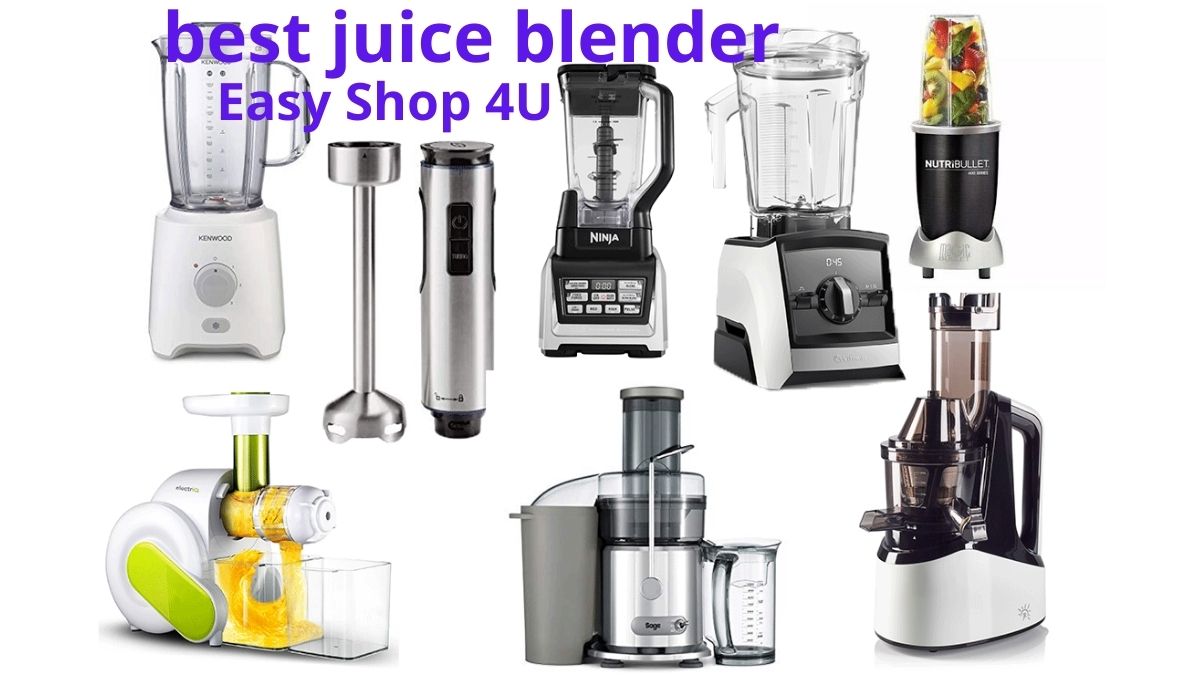
Finding the best juice blender is often the first step toward a more vibrant and health-conscious lifestyle. Whether you are looking to replicate the silky consistency of a professional juice bar or simply want a quick way to incorporate more leafy greens into your diet, the right appliance makes all the difference. While traditional juicers separate the liquid from the fiber, a high-quality blender allows you to consume the whole fruit or vegetable, preserving essential nutrients and dietary fiber. This concept is supported by nutrition experts who explain that blending preserves dietary fiber and promotes better digestion compared to juicing alone, as detailed by Healthline.
This method, often called “whole food juicing,” ensures that you get the most out of your ingredients without the waste associated with pulp extraction.
The market in 2026 is filled with various models, from high-performance professional machines to compact personal blenders designed for portability. Choosing the best juice blender requires a balance between motor power, blade design, and ease of use. A machine that can pulverize frozen fruit, fibrous kale, and stubborn seeds into a smooth liquid is essential for anyone serious about their daily nutrition. By understanding the specific features that contribute to a superior blend, you can find a tool that not only simplifies your morning routine but also stands the test of time in a busy kitchen.
Essential Features of a High-Performance Juice Blender
When searching for the best juice blender, the motor’s wattage is the most critical factor to consider. For a truly smooth juice-like consistency, you typically need a blender with a motor ranging from 1,000 to 1,500 watts. This level of power is necessary to create a vortex that pulls ingredients down toward the blades, ensuring every piece of produce is thoroughly processed. Without sufficient wattage, you may find yourself with a gritty or lumpy drink, especially when using harder vegetables like carrots or beets.
Blade construction and material also play a significant role in the longevity and effectiveness of the device. Most top-tier models utilize aircraft-grade stainless steel blades that are designed to stay sharp even after years of crushing ice and frozen ingredients. Some manufacturers opt for “blunt” blade designs that rely on sheer speed and force rather than sharpness to break down cell walls. This approach is often more effective for juicing because it releases more nutrients from the plant fibers, resulting in a more bioavailable and flavorful drink.
The design of the blending container, often called the pitcher or jar, shouldn’t be overlooked. A well-designed jar features internal ridges that disrupt the circular motion of the liquid, forcing it back into the blades. Materials range from lightweight, BPA-free Tritan plastic to heavy-duty tempered glass. While glass is excellent for resisting odors and scratches, high-performance blenders often use specialized plastic to handle the intense vibrations and potential impact of high-speed blending without cracking or breaking.
Top Recommendations for Professional Home Juicing
For those who prioritize performance above all else, professional-grade blenders like the Vitamix Ascent X5 or the Sage Super Q are the gold standards. These machines are engineered to handle heavy-duty tasks daily, offering variable speed controls that allow you to fine-tune the texture of your beverage. The Vitamix Ascent series, in particular, features “Self-Detect” technology, which automatically adjusts blending times based on the size of the container attached. This prevents the motor from overheating and ensures a consistent result every time you press start.
The Sage Super Q stands out for its noise-reduction technology, making it one of the quietest high-power blenders on the market. If you live in an apartment or need to prepare your morning juice while others are sleeping, this feature is a significant advantage. Its dedicated “Green Smoothie” program is specifically calibrated to break down the tough cellulose found in spinach and kale, turning what could be a fibrous mess into a vibrant, liquid-smooth juice.
Another strong contender in the professional category is the KitchenAid Artisan K400. This model is frequently praised for its robust build quality and its ability to handle “tough” ingredients with ease. It uses a unique asymmetric blade that blends at four different angles, ensuring that no large chunks remain at the bottom of the jar. For users who want a blend of aesthetic appeal and raw power, the K400’s variety of color options and die-cast metal base make it a centerpiece of the modern kitchen.
Best Compact and Personal Juice Blenders
Not everyone has the counter space or the budget for a full-sized professional machine. Personal blenders have evolved significantly, with 2026 models offering power levels that rival much larger units. The Nutribullet Ultra is a standout in this category, featuring a 1,200-watt motor packed into a compact frame. It is designed for “pulse and go” functionality, allowing you to blend your juice directly in a cup that you can take with you to work or the gym.
The Ninja Nutri-Blender Pro with Auto-iQ is another excellent choice for those seeking convenience without sacrificing quality. Its pre-programmed settings take the guesswork out of blending by using timed patterns of pulsing and pausing. This is particularly useful for juicing, as the intermittent pulses help denser ingredients settle back onto the blades. The Ninja’s “Pro Extractor” blades are specifically designed to break down seeds, skins, and stems, ensuring you get a nutrient-dense drink every time.
For the ultimate in portability, cordless options like the Ninja Blast have become increasingly popular. While they lack the raw horsepower of a plug-in model, they are perfect for mixing fresh juices or protein shakes while traveling or at the office. These USB-rechargeable devices are surprisingly capable of handling soft fruits and leafy greens, making them a great secondary tool for those who already own a heavy-duty blender but need a mobile solution for their healthy habits.
Choosing Between a Blender and a Traditional Juicer
A common point of confusion for many consumers is whether to buy a dedicated juicer or a high-speed blender. Centrifugal and masticating juicers work by removing the pulp, leaving you with a thin, concentrated liquid. For a detailed comparison of how blenders and juicers impact nutrient retention, TechRadar provides an informative breakdown of the pros and cons of each method.
While this is great for quick absorption of vitamins, it removes the fiber that helps regulate blood sugar. The best juice blender offers a “whole juice” experience, keeping the fiber intact, which leads to better satiety and a more balanced digestive response to the natural sugars in fruit.
If your goal is to create “green juices” that are mostly made of celery, cucumber, and leafy greens, a blender is often the more efficient choice. Traditional juicers can be notoriously difficult to clean, often requiring you to disassemble multiple parts and scrub mesh filters. In contrast, most modern blenders feature a “self-cleaning” cycle; simply add a drop of dish soap and some warm water, run the machine on high for thirty seconds, and rinse. This ease of maintenance makes it much more likely that you will stick to your juicing routine in the long run.
Furthermore, the versatility of a blender far exceeds that of a juicer. When you aren’t making fresh juice, a high-performance blender can be used to make nut butters, hot soups, frozen desserts, and even grind flour. This multi-functionality provides much better value for your investment, especially in smaller kitchens where every appliance must earn its place on the countertop. For the modern health enthusiast, the “bluicer” hybrid models have also emerged, offering the ability to switch between centrifugal juicing and high-speed blending on a single motor base.
Maximizing the Nutritional Value of Your Blends
To get the most out of the best juice blender, it is important to understand how to layer your ingredients. Always start with your liquids—such as water, coconut water, or nut milk—at the bottom. Follow this with your leafy greens, then soft fruits, and finally your hardest ingredients like frozen berries or ice at the very top. This arrangement ensures that the blades can easily catch the liquid first, creating a vortex that pulls the tougher items down for a more efficient and even blend.
Oxidation is another factor that can affect the quality of your juice. High-speed blending introduces air into the mixture, which can cause nutrients to degrade over time. To combat this, some premium blenders now include vacuum blending technology. By removing the air from the jar before the cycle begins, these machines produce a juice that is more vibrant in color, has less foam, and stays fresh for much longer in the refrigerator. If you plan on “batch juicing” for the week ahead, a vacuum blender is a worthwhile investment.
Incorporating “superfoods” into your blends can also elevate the nutritional profile of your drinks. Ingredients like chia seeds, flaxseeds, and hemp hearts are easily pulverized by a high-power motor, adding healthy fats and protein without altering the flavor. Because a blender processes the entire seed, you benefit from the internal oils and minerals that might otherwise pass through a traditional juicer’s filter. This makes the blender an indispensable tool for anyone looking to optimize their daily intake of micronutrients.
Maintaining Your Blender for Longevity
Investing in the best juice blender is a commitment to your health, and proper maintenance will ensure your machine lasts for a decade or more. One of the most important rules is to avoid letting food residue dry inside the jar. If you cannot clean the blender immediately after use, a quick rinse with warm water will prevent sugars and fibers from hardening around the blade assembly. Over time, dried residue can put unnecessary strain on the motor and dull the effectiveness of the blades.
You should also be mindful of the motor’s “duty cycle.” While professional blenders are built to be tough, running them on high speed for several minutes at a time can cause heat buildup. Most high-end models have an automatic shut-off feature to prevent damage, but it is best practice to use the pulse function or shorter blending cycles whenever possible. Additionally, checking the drive socket—the part where the jar connects to the motor—for signs of wear and tear every few months can help you catch potential issues before they become costly repairs.
Lastly, pay attention to the seal on the lid and the base of the jar. If your blender has a removable blade assembly, ensure the gasket is seated correctly before every use to prevent leaks. Periodically soaking the jar in a mixture of white vinegar and water can help remove mineral deposits and keep the plastic or glass looking crystal clear. By following these simple steps, you can keep your appliance running like new, ensuring that your path to better health remains uninterrupted and efficient for years to come.
Selecting the best juice blender is a strategic decision that bridges the gap between convenience and peak nutrition. By focusing on high-wattage motors, durable blade materials, and the specific needs of your household, you can transform simple produce into a powerful tool for wellness. Whether you opt for a professional-grade Vitamix or a streamlined Nutribullet, the ability to create smooth, fiber-rich juices at home is an investment that pays dividends in energy and vitality. As technology continues to advance, these appliances are becoming more intelligent and easier to use, making it simpler than ever to maintain a healthy lifestyle in a fast-paced world.
Can a blender really make smooth juice without leaving chunks of pulp?
A high-powered blender with at least 1,000 watts can pulverize produce into a liquid, though you’ll need to strain it through a nut milk bag for a truly pulp-free finish.
What is the minimum wattage I need for a blender to crush frozen fruit and ice?
You should look for a motor with at least 500 to 800 watts for basic smoothies, but 1,200 watts is the gold standard for effortless ice crushing.
Which is better for daily juicing, a glass pitcher or a BPA-free plastic one?
Glass is excellent for resisting odors and scratches over time, while high-quality plastic is lighter and far more durable if you frequently blend at high speeds.
How do I clean a juice blender quickly without cutting myself on the blades?
The easiest method is to fill the jar halfway with warm soapy water and run it on high for 30 seconds to let the centrifugal force do the scrubbing for you.
Is it worth spending extra money on a blender with pre-programmed juice settings?
Presets are a great investment if you want “walk-away” convenience, as they automatically toggle speeds to ensure a consistent texture without manual monitoring.